When you visit a range for the time you can discover a buying mistake right away. The controls may feel awkward the grip may sit poorly. The case and hearing protection may not suit the setup. The best choice is not simply the powerful, the cheapest or the most feature‑rich model. The best choice is one that's lawful to own safe to handle secure to store easy to maintain and simple to use with consistent control.
Start with the ownership responsibilities
Before comparing models confirm that ownership is lawful in your location and under your circumstances. Requirements may cover eligibility, permits, registration, waiting periods, purchase procedures, transport and storage. These rules differ between state, provincial and local authorities and they can change. Check the guidance from the official agency that applies and ask a licensed dealer for clarification of procedures. Do not rely on a forum post or on someone else's experience in a different place.
Plan for storage that prevents access by children, visitors and anyone else not permitted to handle the firearm. Decide where the firearm will be stored who can access the keys or code and how ammunition will be secured under the rules that apply to you. If you cannot answer those questions clearly postpone the purchase.
Training belongs in the conversation. A basic safety course, supervised range instruction and practice with the controls that the firearm will use are more useful than buying first and hoping familiarity follows. Look for instruction that covers handling, loading and unloading range commands, storage and maintenance.
Match the choice to the use
Write down the intended use in plain language: supervised target shooting, occasional recreational range visits, hunting where lawful or another legitimate purpose. A compact firearm may be easier to store and carry. Its smaller controls can be less comfortable. A larger firearm may be easier to hold yet its weight and dimensions can make transport or storage less convenient. Neither trade‑off makes one choice universally better.
Avoid buying around an imagined identity. Styling, accessories and a long feature list do not show whether the firearm suits the routine. Consider how the firearm is expected to be used whether training will be shared with a family member and whether ammunition, magazines and other consumables are practical and lawful for the circumstances. A low purchase price is not a total cost if the setup requires equipment that cannot be comfortably used.
Choose for the person who will actually handle the firearm considering grip reach and intended use. A first‑time owner may benefit from a configuration with controls that are easy to identify and operate safely; an experienced sport shooter may have narrower requirements.
Check fit before you compare features
Fit of the firearm is a hands‑on question. With the firearm unloaded and under the supervision of a dealer or instructor check whether the controls can be reached without shifting the grip whether sights or aiming reference can be seen clearly and whether a safe direction can be maintained while operating the action as instructed. Ask for the manufacturer's handling procedure than improvising.
Pay attention to discomfort. A grip that forces the wrist into an angle a trigger reach that requires stretching or controls that are difficult to distinguish may become a safety problem when tired or distracted. If the design feels large too small or difficult to control during supervised dry handling treat that as meaningful evidence.
If range rental is available a supervised session can reveal more than a sales display. Use equipment that the range permits and follow its commands. Notice whether a stable safe grip can be maintained, whether the controls can be operated deliberately and whether attention can be recovered after each shot. Stop if anything feels confusing or unsafe; pressure to "get used to it" is not a buying criterion.
Review the ownership setup
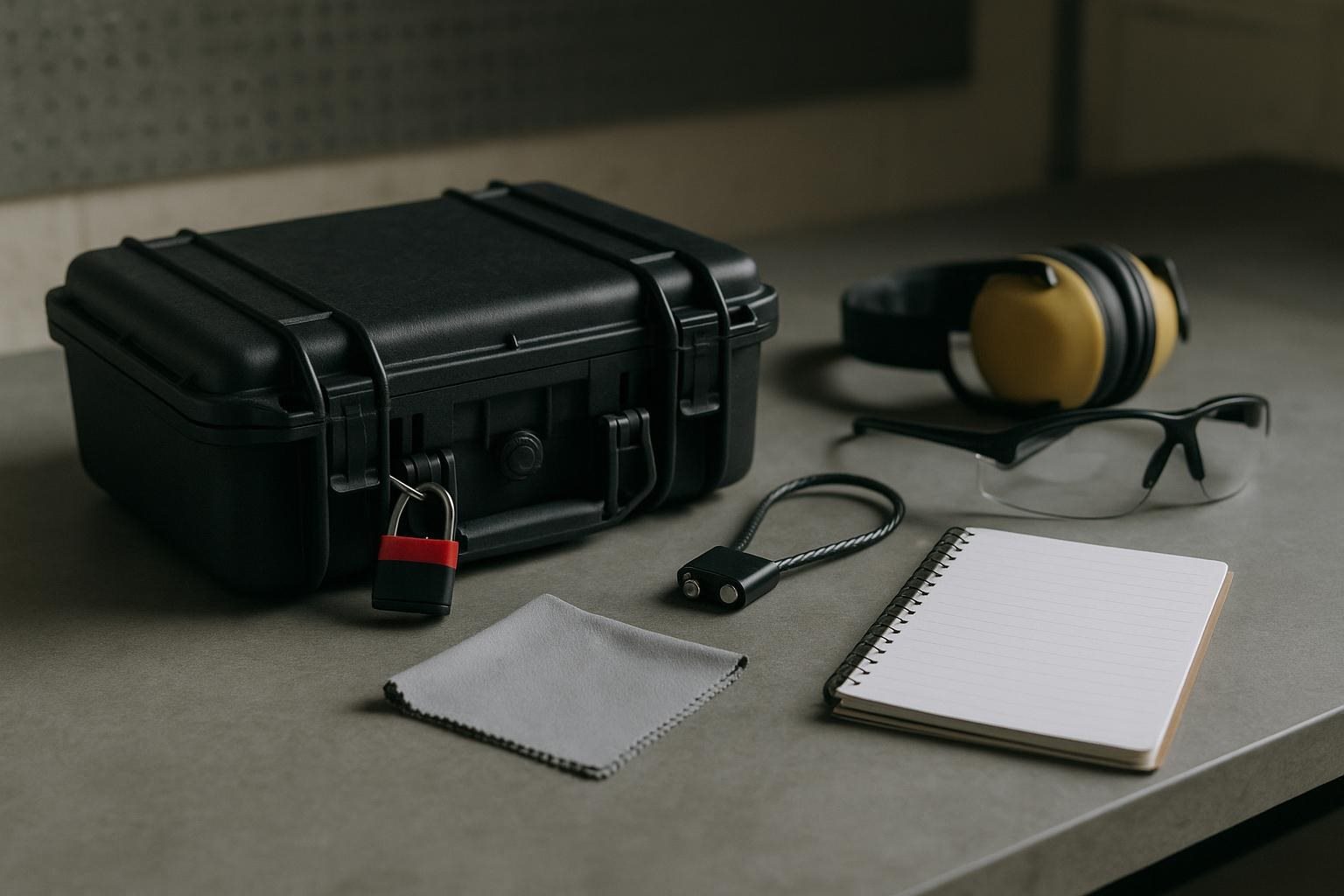
The purchase is only one part of the decision. Budget for storage, eye and hearing protection cleaning supplies, training, range fees and lawful transport equipment. Choose protection that fits and is comfortable enough to wear
Ask what maintenance the manufacturer requires, which parts are user‑serviceable and when a qualified gunsmith should be consulted. Read the owner's manual before cleaning or disassembly. Keep the firearm unloaded during maintenance remove ammunition from the work area verify its condition according to the manual and work in a well‑lit place. Never alter safety mechanisms. Modify the firearm based on an unverified online tutorial.
A useful pre‑purchase check is:
– Can I legally buy, possess, transport and store this choice where I live?
– Does the unloaded firearm fit my hands and allow control operation?
– Have I identified training and a supervised place to practice safely?
– Can I provide secure storage and control access at all times?
– Have I included protection, maintenance, transport and ongoing range costs?
– Can I obtain the current manual and understand the basic care requirements?
Recognize common buying mistakes
The most common error is treating a recommendation as a substitute for fit. A model that works well for one shooter may be uncomfortable or difficult to control for another shooter. Buying on brand reputation appearance, online rankings or a single range visit can produce the same result.
Do not overlook support after purchase. Ask whether the manual is available whether replacement parts and magazines are lawful and obtainable and whether a qualified professional can inspect the firearm if a problem appears. Do not assume every accessory fits every model or that an aftermarket part improves safety.
Finally do not rush because a deal seems temporary. A firearm that remains secured maintained and unused while instruction is sought is safer than a purchase followed by confusion. Recheck official requirements immediately before buying keep records where lawful and appropriate and treat every session as a safety exercise rather, than a test of bravado. A careful decision leaves room to change the mind.