Many gun owners remember their first trip to a gun shop. Often there is a lot of strange terminology, many seemingly similar guns, and lots of pressure to make a decision before one is ready. This is how Jordan finds himself at a gun shop. Jordan wants to purchase a firearm to use for lawful recreational target shooting. He will store the firearm at home, but that is about all he knows. He has no prior gun experience and arrives at the gun shop with no knowledge of the types of guns that are available to purchase by new owners.
Start with the job, not the product
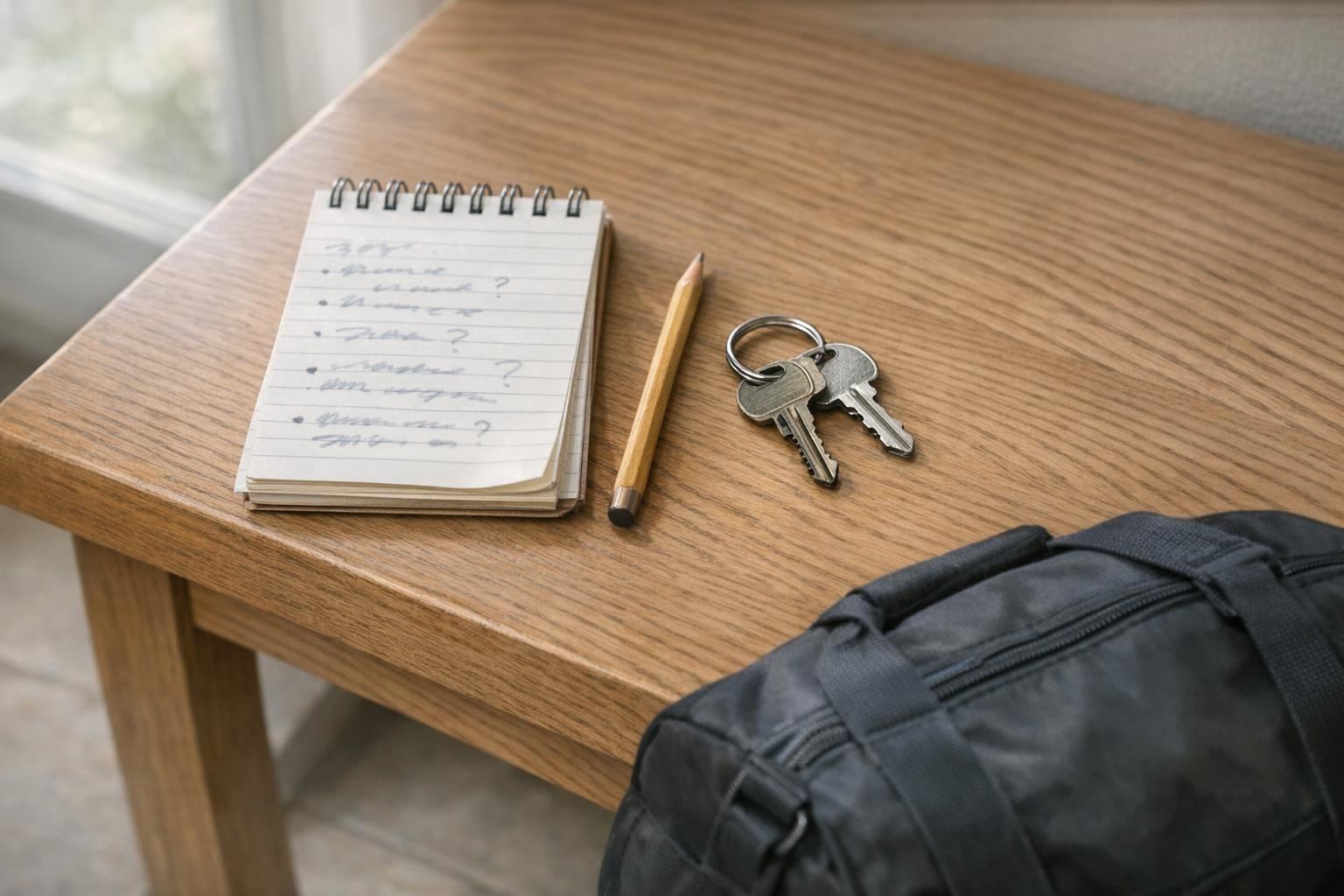
You wrote down in plain language what your intended use for a firearm would be (i.e. occasional shooting at the gun range, for learning safe handling of a firearm and for storing it safely at your home). You should use this to start your gun shop search for the best firearm for you. This will be your starting point for conversations with salespeople.
Identifying these types of issues and writing them down is a good first step. They may need to be addressed before a firearm is purchased. These issues can include whether or not the intended user will be practicing at a supervised shooting range, who else may have access to the firearm when it is stored at home, and whether or not suitable locked storage is currently available for the firearm at home.
First and foremost, ensure that the firearm you are purchasing is going to solve the problem you are trying to solve and not create a host of new problems for you to deal with.
Build a question list that reveals fit
Here are some useful firearm buying questions to write in your notes:
– What features affect safe handling and ease of use for a new owner?
– What are the important physical fit, control and comfort features I should be checking for?
– How would this option suit supervised range practice?
– What cleaning, maintenance, and service is required, and what would an instructor show?
– What training or storage equipment should I arrange before taking it home?
– What are the store's policies concerning return of the fire-arm, transfer to another province, warranty, and service?
Firearm specs are for comparison purposes only. Understand what a firearm is for. Confirm that all items for sale meet your criteria for purchase. Verify the purchase, transfer, ID, waiting period and any other eligibility requirements with the shop and all relevant government authorities. Store it safely. Plan for all training, safe transport, cleaning, maintenance, ranges, targets, ammo, etc. needed for continued use of the item. Ask the seller what other information, documentation, and instructions the buyer will receive with the item. Confirm that the firearm can be safely handled and operated by the buyer.
Even the best questioned harbors uncertainty. And it is wise to solicit out all of the possible trade-offs between options rather than delimit yourself to trying to find the absolute best firearm for your purposes.
Use a checklist before comparing prices
Once you have established the item(s) that you are interested in purchasing, it is time to start looking at the price. Remember that price is just one factor, and you should not let it be the deciding factor when purchasing a firearm. Make sure you have looked at all of the responsibilities that go with purchasing a firearm in the above checklist. After you have made sure that you are prepared to purchase a firearm, then price becomes a factor.
– For what purposes is the gun intended to be used and by whom?
– Review the current requirements for the purchase of guns, their transfer, the identification required, waiting periods, etc., at the gun shop and the relevant official authority.
– Plan secure storage before bringing anything home.
– Budget for training, safe transport, maintenance supplies, storage, and range costs as appropriate.
– What kind of documentation and instructions will I receive with the firearm?
– Can the chosen gun, unloaded and under shop staff's direction, be handled by yourself?
– Write down unanswered questions instead of guessing.
The legal requirements to buy a gun also vary from state to state and can change at any time. While the shop will explain their procedures and requirements, it is up to the buyer to verify this information with the appropriate official authority. Even if all of the requirements for purchase seem to be met, it is better to postpone the transaction until all of the requirements are clearly understood.
The same care and planning must also go into the storage of the firearm. Identify all possible people in the home who could access the firearm (including children) and come up with a plan to safely store the firearm before purchasing it. Ultimately the plan will depend on a variety of factors including your home, other inhabitants, and local laws.
Recognize the signs of an impulse purchase
The same pattern of thinking can happen when buying a gun and shooting. Jordan has noticed that he goes into the gun shop with a pretty clear idea of what he wants to use a gun for. When he looks at different models of guns he notices that one of them is said to be in limited supply, another has 'accessories' that can be added to make it more suitable for his needs and the third is already in his possession.
Waiting an extra amount of time to make an informed decision on a purchase, regardless of how long it has taken to get to that point, is far better than the buyer making an impulse purchase and later being disappointed with their decision.
Adding accessories can also trigger the fear of running out of something for a certain gun. In some cases people buy guns because they are on sale or because they are extremely popular with others in shooting sports. Choosing guns because the salesperson recommends them also falls under this category of warning signs for impulse purchases.
Whether the trip is to be a short one or be spread over another day or two, all purchases must be compared at home after having been scribbled down in notes.
Turn the visit into the start of safe ownership
For now, you can still leave the gun shop and go back for another visit to purchase the correct firearm for your intended use and complete your responsible gun ownership.
A good first step could be to book an introductory safety course or a supervised range visit with a qualified instructor. You should also read the owner's manual for the chosen firearm and check that you have thought through the transport and storage of it safely. For maintenance and repair questions seek out qualified and experienced advice from the manufacturer's manual and from qualified firearms instructors and technicians.
The best purchase is one that still makes sense after the initial excitement of buying has worn off. By being clear about one's purpose, asking patient and thoughtful questions of the sales person, securing safe storage, practicing shooting, and familiarizing oneself with all of the current relevant laws and regulations regarding firearms in your area, one will have taken the most important steps to become a responsible gun owner.