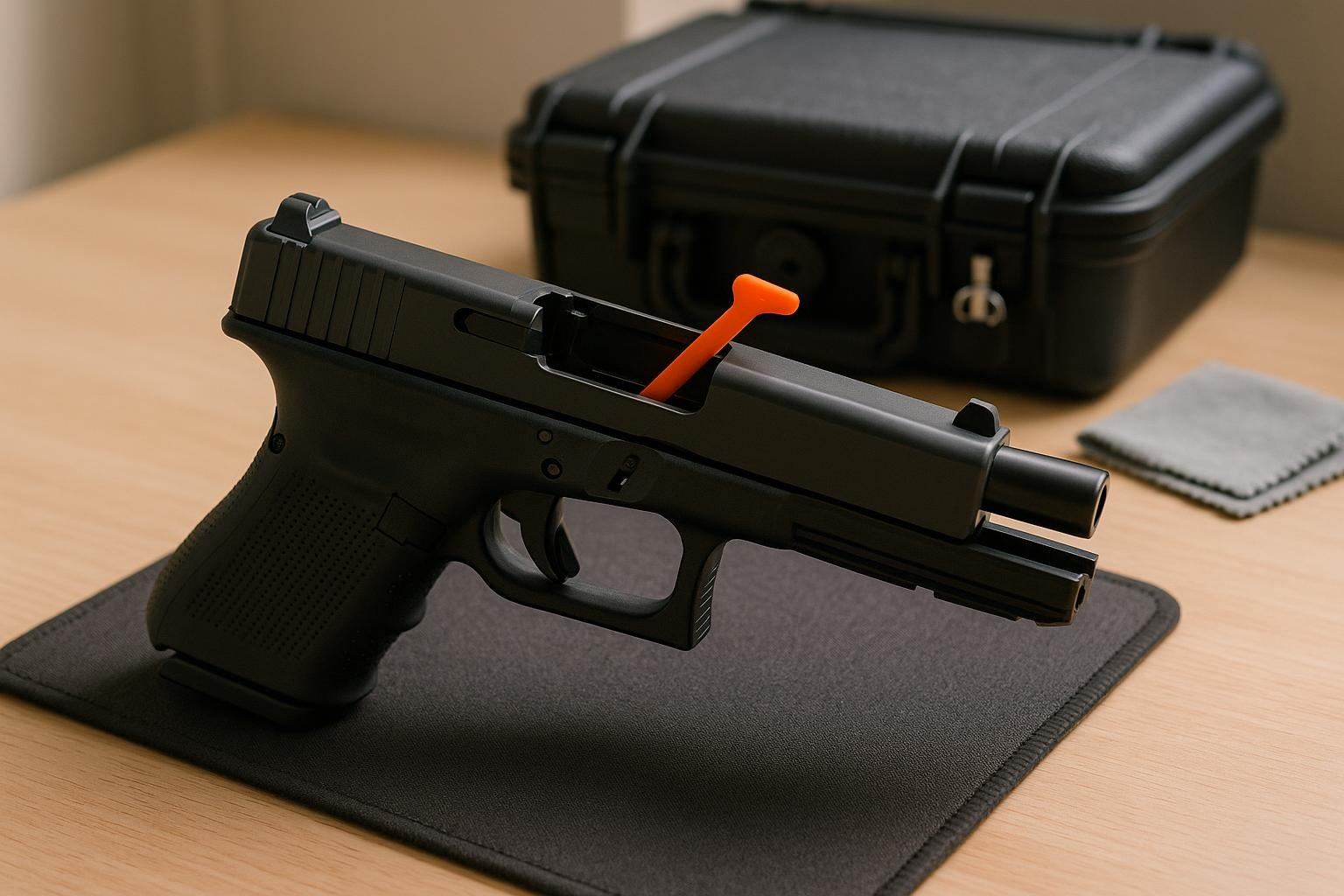
Transitioning Firearms: From Range, to Home Safely
Ending a day at the shooting range can bring a lot of challenges after a session. You might feel tired have your locked case in your vehicle stray rounds mixed in with your gear and a firearm that seems to demand attention. In the rush to get everything sorted confusion can easily take over. Developing a routine for handling firearms during transport, unloading, inspection and storage is essential. This approach not makes the process smoother. Also helps reduce the risk of mistakes. It keeps you in line with both laws and the manufacturer's safety recommendations.
Prioritize Firearm Safety on the Way Home
As you get ready to leave the range make it a point to stop at a designated area to handle your firearm. This could be at the firing line or another approved location. It's important to follow the range's established procedures to stay safe and compliant. Keep the muzzle pointed downrange. Keep your finger off the trigger. And confirm that the action is open and clearly visible-this means no rounds are in the chamber and the gun is truly empty. Always follow the manufacturer's guidelines closely. Many ranges have unloading protocols in place so stick to those than relying on memory. That way you avoid assumptions that could lead to accidents.
Securing your firearm in a case is important. It's not the whole story. It isn't enough on its own to ensure safety. If your area's laws or the design of your case requires it separate the ammunition from the firearm during transit. Don't leave magazines or loose rounds in your bag to sort out at the minute in a busy parking lot. You want to keep things safe. It's also crucial to stay updated on regulations, when crossing state or national lines. Laws can vary widely. Change often. Always check the guidance from authorities before you head out.
Establish a Controlled Arrival Routine
Your arrival at home should be as calm and predictable as possible. Favor routine over improvisation. Bring your case to the designated area where you'll inspect, clean and store the firearm. Avoid setting it down in a high-traffic spot like a kitchen counter-especially if kids or pets are around. If the household is busy keep the case secured until you can focus fully on the task. Distractions increase the risk of mistakes so give yourself the space to do it right.
When you're ready to open the case choose a lit area where you can safely point the firearm in a direction. During inspection keep ammunition in a location to avoid any accidents. It's vital to confirm the firearm's status using the methods for that model. Never assume it's unloaded just because it was checked at the range. If you get interrupted-someone calls a child needs help-pause immediately. Secure the firearm. Then restart your inspection process from the beginning. This practice is important for everyone whether you're an owner or someone with years of experience. Fatigue and distractions can mess up the familiar routines.
Assess the Firearms Maintenance Needs
Cleaning your firearm after each range trip doesn't always mean disassembly. Going beyond what the manufacturer recommends can cause problems than it solves. Start by reading your owner's manual. Look for signs of fouling, moisture, residue, parts or damage. Pay attention to how the action cycles. Clean the exterior according to the instructions using products. Be careful not to get lubricants on the ammunition or in areas where much oil could interfere with function.
If your shooting session was rough-rain, dust, salt air or heavy use-you'll need to pay attention. Moisture especially can cause problems quickly.. Inspect the firearm away if it got wet. Never use household cleaners or unapproved tools. These can damage the firearm. Compromise its safety. If you spot anything cracks, bends, parts that don't move right-stop using the firearm. Contact a gunsmith. Reach out to the manufacturer for advice. Remember maintenance is about care, not modification. Changing components without knowledge can make the firearm unsafe and unreliable.
Systematic Firearm Storage is Key
When it comes to storing firearms a complete approach covers security, access and accountability. Pick a container or locking method that fits your firearm and your household needs. Make sure it prevents access. A basic locked case may work for transport. For long-term storage a stronger cabinet might be necessary. This depends on your home setup and local requirements.
Keep your storage area dry and stable. Avoid placing the case where it could get bumped exposed to leaks or hidden behind things that are moved often. Also protect your ammunition. Keep it separate and secure following manufacturer directions and local laws. Build a habit of putting everything magazines, chamber indicators, cleaning tools-into its designated spot. This keeps things clear and organized reducing confusion later.
Conduct a Final Check Before Storage
Using a checklist can help you make sure no step is skipped. Keep this checklist near your storage area outside the range bag so it's easy to access. Here's what to include:
– Confirm the firearm's status using the owner's manual.
– Ensure ammunition is secured and separated.
– Check for moisture, damage or anything that looks odd.
– Clean as recommended by the manufacturer.
– Engage the locking device or secure container.
– Inspect the range bag for rounds. Return it to its usual place.
– Document any issues to follow up on before your outing.
If anything on the list raises concerns don't try to fix it. Preserve the firearm's condition. Refer to the manual. Get help if needed. Taking notes helps avoid relying on memories. These small steps help prevent rushed decisions later. Responsible ownership shows in these transitions. Consistent habits, around transport, thorough inspection and secure storage of firearms build a culture of safety. Every step counts.